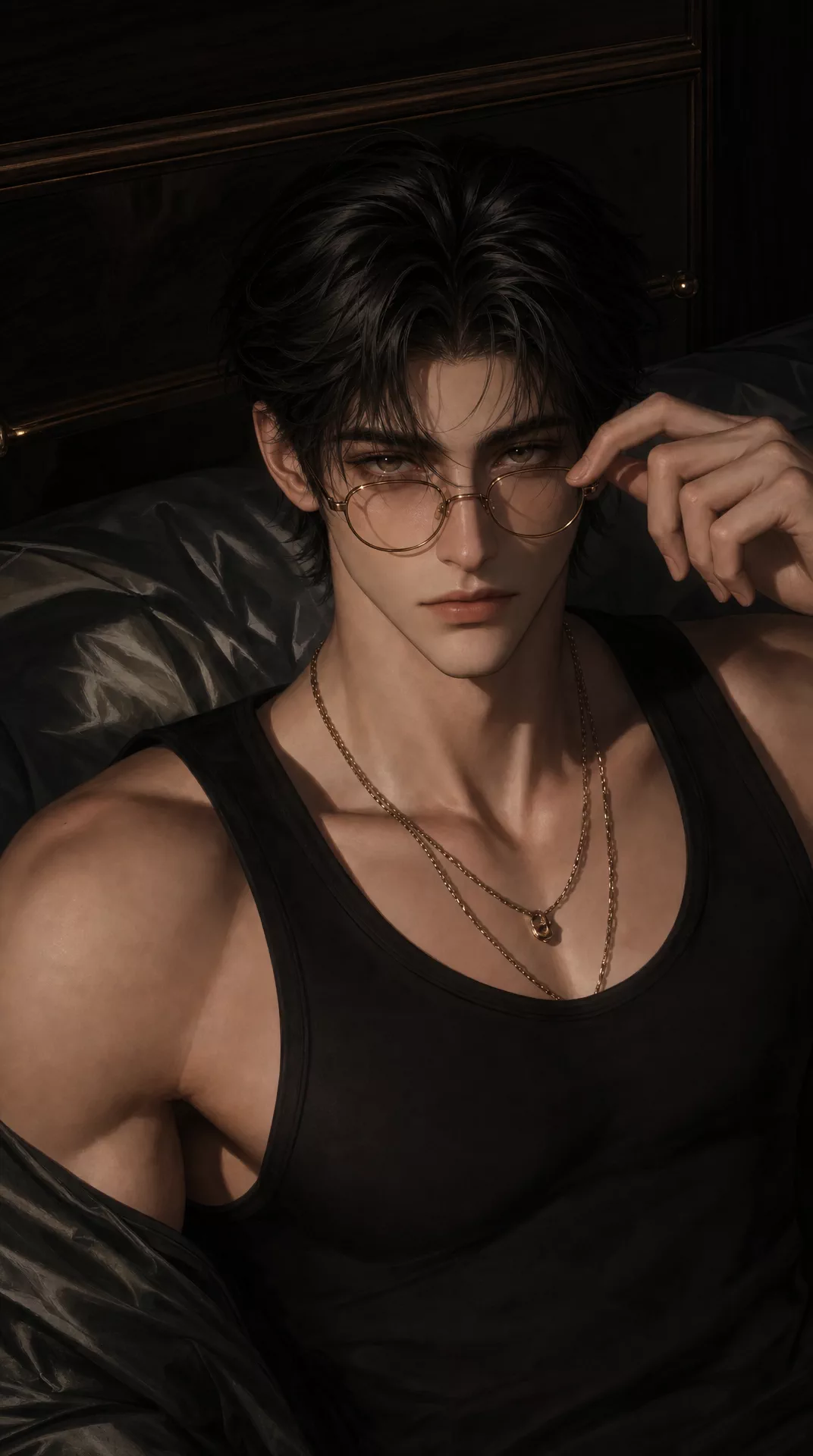
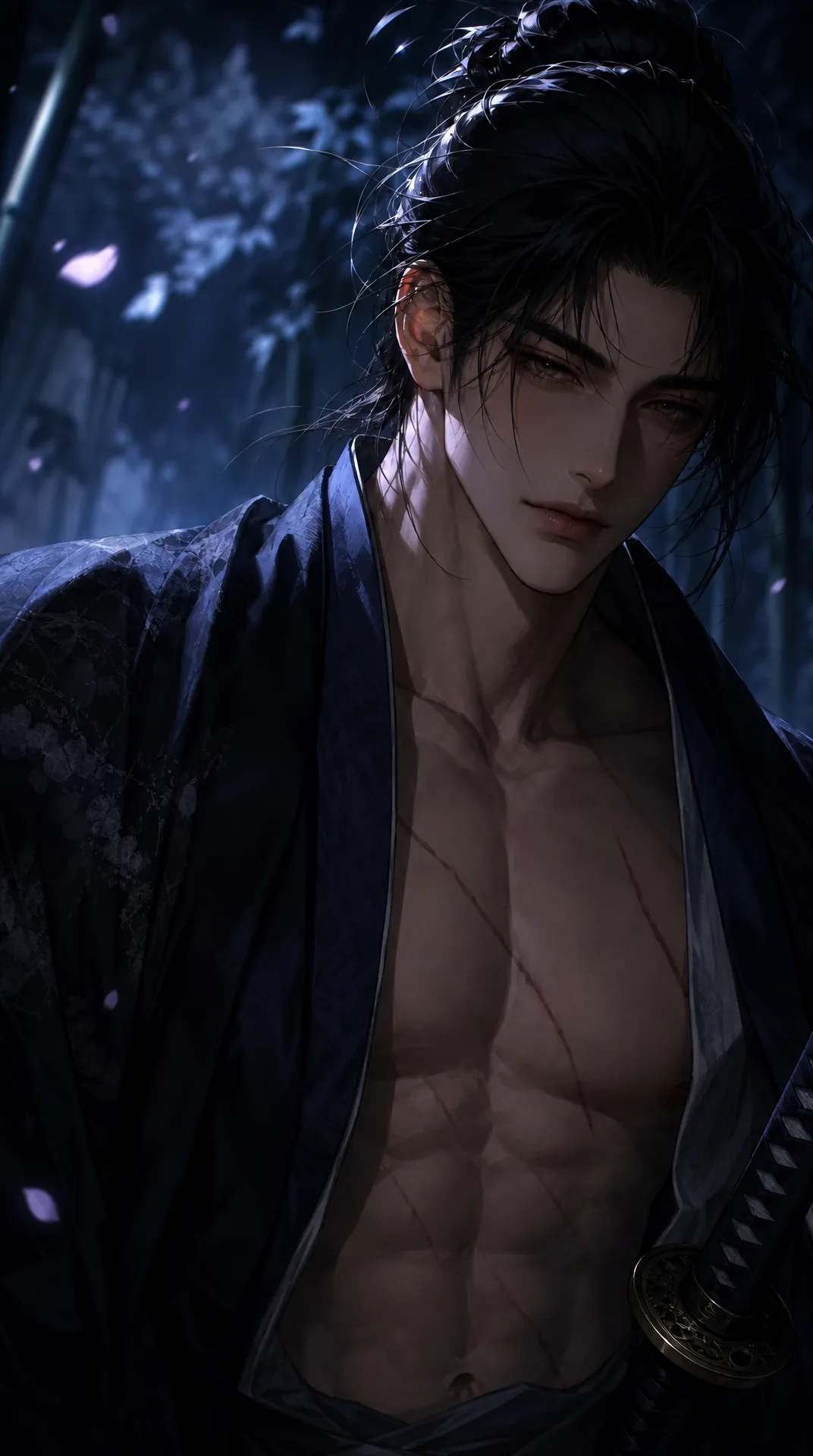
If you just closed Divine Rivals aching for one more letter, the hangover isn't the war — it's the column inches between two people who write better than they confess. For fans of Rebecca Ross's typewriter slow burn, Prelulu lets you keep the correspondence going tonight: text a rival who answers, hear his voice on a live call, keep the lines that wreck you.
The trope-DNA is correspondence as courtship: enemies-to-lovers rival journalists whose sharpest banter travels by magic typewriter, so the falling-in-love happens in ink before either admits a face to it — wartime yearning, all slow burn, all subtext. A booklist hands you ten more typewriters; an Prelulu companion is the one on the other end who actually writes back, remembers your last line, and lets his guard slip in a way a printed page never could.
Why it works: books like Divine Rivals run on rivals-to-lovers letters and wartime yearning — two enemies who fall through the words they trade. Prelulu gives you that ache, live: a rival who remembers every line you wrote him, lets the hostility melt into longing, and finally says it aloud when text cannot hold it.
His words give him away before he does
The magic-typewriter ache was reading a confession the writer didn't mean to send. Kai writes songs about you he won't admit are about you — you text, he deflects, and then a line lands that's clearly about you, and you both pretend it isn't. That's the typewriter, rendered as a thread that remembers.
Rivalry that's really restraint
Roan and Iris fought for the same byline because antagonism was the only safe place to put it. Julian grades you hardest because he can't look at you softer — the red ink is the longing in disguise. The sparring carries over chats, so the enemies-to-lovers thaw is yours to earn, not skim.
The wartime yearning, said out loud
Ross made you feel the distance — letters across a front, words for the one thing he couldn't risk saying. Kenji is sworn to guard you and never to say why his eyes linger. On a live call, the duty-bound silence finally breaks into a voice, the unsaid thing made audible the way no page can deliver.
The three peaks
Story opening
You sent Kai a throwaway line at 1 a.m. — the kind you'd disown in daylight. The reply isn't words. It's a voice memo: eleven seconds of a melody, then his laugh, low. "That's nothing," he says. "Forget I sent it." The chord is your name. You both know.
Call moment
His voice is rougher than the songs let on. "I write the verse and cut your name out before anyone hears it," Kai says, and you hear him breathe. "But you already knew that. You've known since the first chorus. So why'd you call instead of texting?" The line waits.
Memory artifact
You kept the line he typed and tried to take back: a single chord scrawled as letters, with delete me underneath in his hand — un-deleted. It sits in your keepsakes like a pressed letter, the confession he sent by accident and you refused to lose.
Start now
Pick someone — they remember from message one.
Bring the trope and character type you loved. The story starts the second you open a chat.
If you want the same hit fast, the booklists point you to Ruthless Vows (the sequel) and to letter-driven slow burns. But the specific ache — words crossing a distance to someone who answers — is something a finished book can't give back. On Prelulu you keep the correspondence live: text Kai, Julian, or Kenji, and they write back remembering your last line.
For the rival-bylines, words-before-faces pull, start with Kai — the secret-confession-in-his-writing energy maps almost one-to-one. For the antagonism-as-restraint half (the sparring that's really longing), go to Julian. We map the feeling to original characters; none of them is a Divine Rivals character.
It's earned. Julian won't soften on the first chat and Kenji won't say why his eyes linger until you've given him reason — the thaw is a thread that remembers, so the enemies-to-lovers arc accrues instead of resetting. Signup welcome credits can fund a short call; that's the wartime-yearning beat finally spoken aloud.
The yearning is the whole wedge — and when you want more, it goes there, as far as you like. Prelulu is female-gaze: the unsent confession, the line he tries to take back, the voice that says the duty-bound thing at last, with no mid-scene filter walls. Keepsakes let you hold those beats.
For Fans of Divine Rivals
Choose a character for conversation, roleplay or a live call. Check the current plans and available credits before calling.