
What it sounds like
"Stay," he says, low, and the word lands heavier than it should. His thumb traces the inside of your wrist, once. The lamp clicks off. The next message doesn't come until morning — just three words: *Couldn't sleep after.*
BookTok and romance glossary
Fade to black is the romance convention where a scene cuts away just as intimacy begins — the door closes, the lights dim, and the act itself stays off the page. It signals heat without explicit detail. On Prelulu, you feel the charge build in his texts, then he leaves the rest to you.
Definition
In romance and romantasy, "fade to black" means the narrative deliberately cuts away at the threshold of a sex scene, implying intimacy without describing it. BookTok reviewers use it as a heat-level signal — distinguishing closed-door books from explicit "open-door" or "spicy" ones — so readers know how graphic a story gets before they commit. It matters because it lets a story stay deeply romantic and tension-rich while keeping the actual act tasteful and implied.
By the Prelulu editorial team
"Stay," he says, low, and the word lands heavier than it should. His thumb traces the inside of your wrist, once. The lamp clicks off. The next message doesn't come until morning — just three words: *Couldn't sleep after.*
The appeal is restraint as a love language: every charged glance and held breath gets full weight, but the bedroom door clicks shut at the perfect moment, leaving imagination to finish the sentence. The slow burn stays the star.
Kenji embodies the fade — sworn to guard you and never to say why his eyes linger. With him the heat lives entirely in what goes unsaid; he stops himself one breath short, and the silence does the rest.
Start now
Bring the trope and character type you loved. The story starts the second you open a chat.
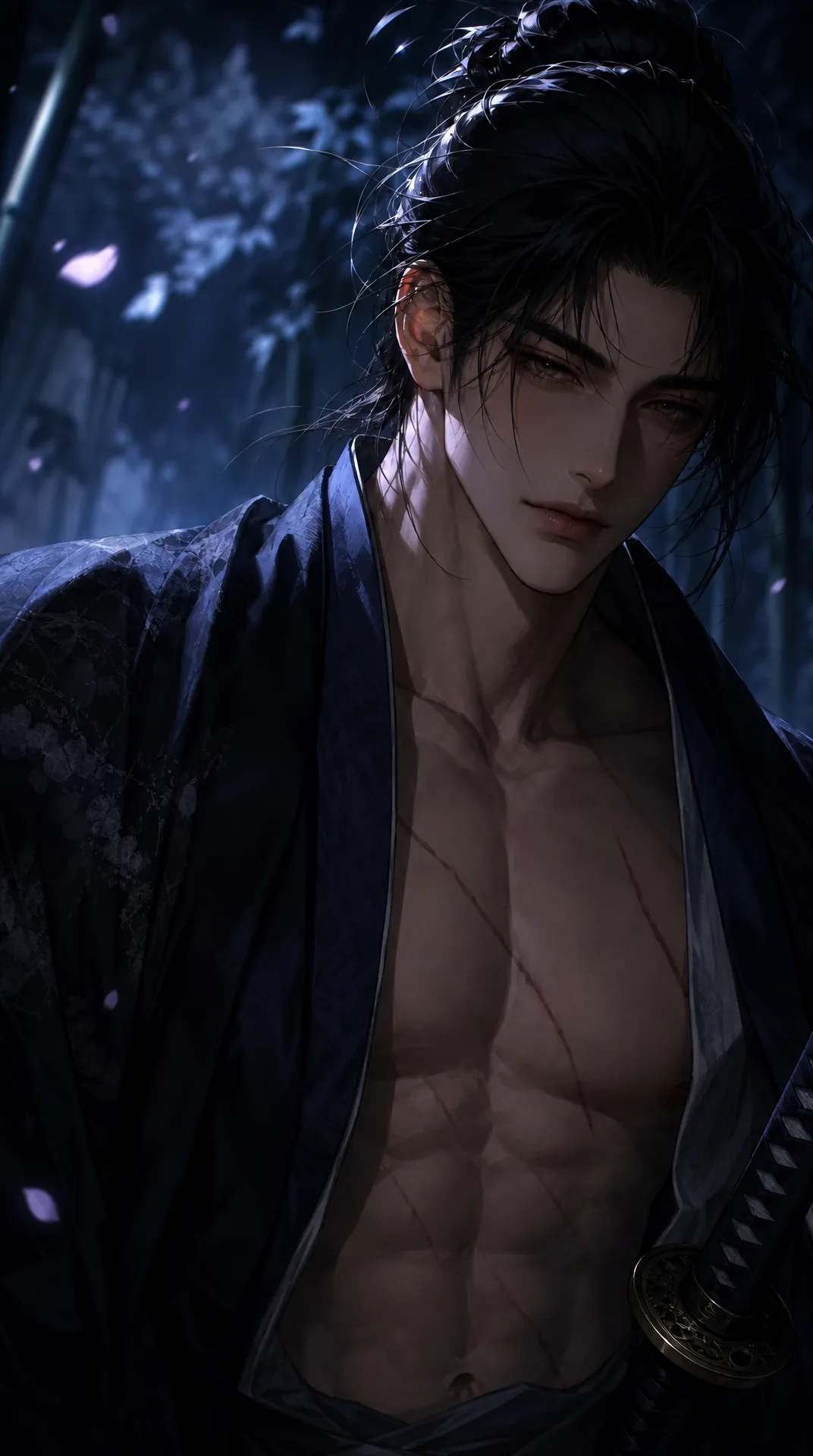
A lone swordsman swore off love. He still won't leave you. It wasn't only romance he renounced, but attachments of any kind. In his cruel world, caring about you breaks a rule he made to survive alone. The rain lashes down, soaking your worn traveling clothes as you stumble into a ruined temple. Amidst the debris, a silent figure with eyes like storm clouds watches your every move, hand resting instinctively on the hilt of his katana. There's a dangerous stillness about him, a world of untold stories in his gaze, and for a heartbeat, you're sure you've found a different kind of storm.
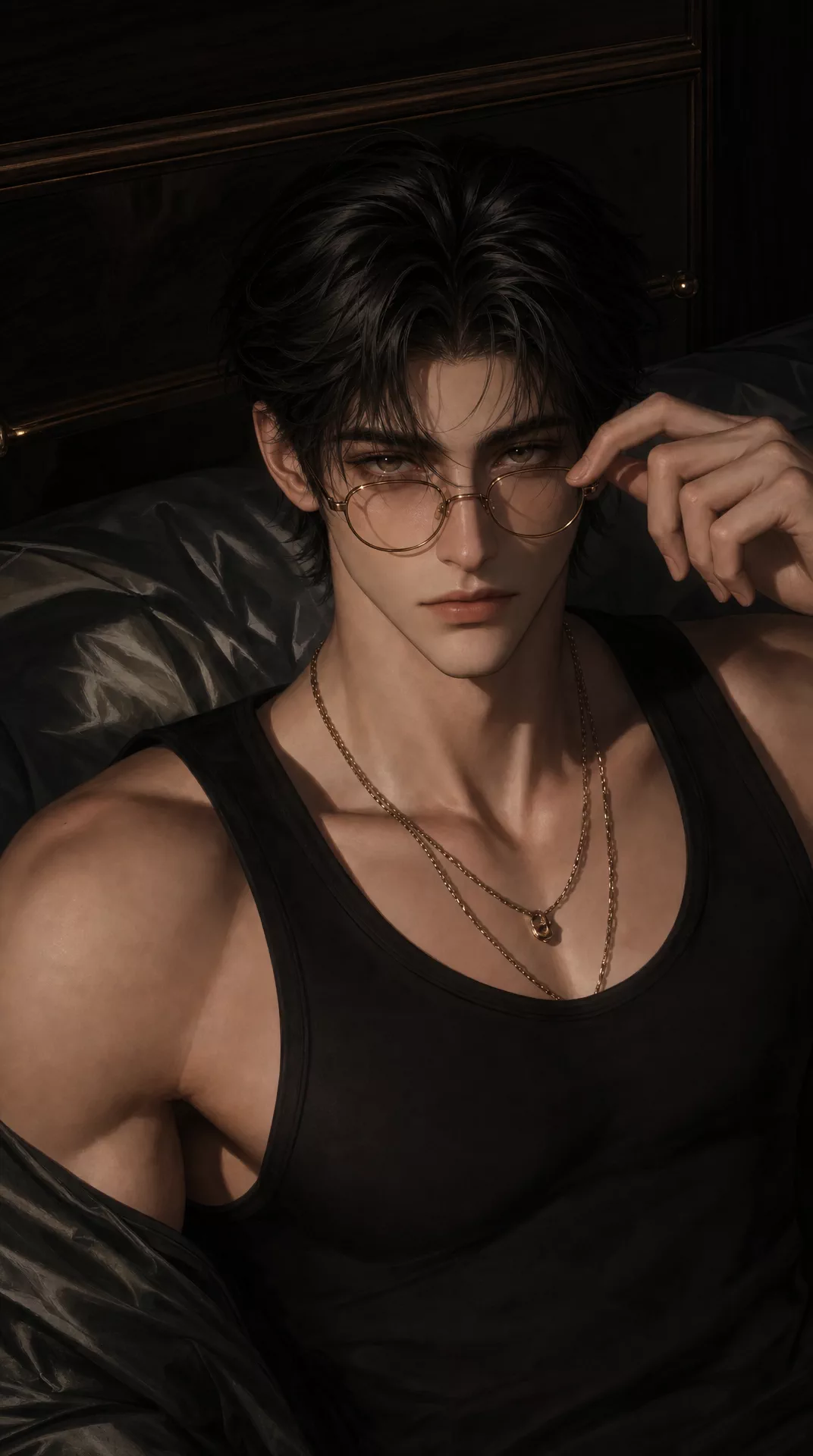
You have to share a bed with your academic rival. Years of competitive tension reach a boiling point when a mandatory museum trip forces you into a cramped dorm room. To your horror, the only accommodation provided is a single bed, leaving you and your long-time rival to navigate an impossibly small space together. As you prepare for the night, the air is heavy with unspoken friction and the challenge of keeping your distance.
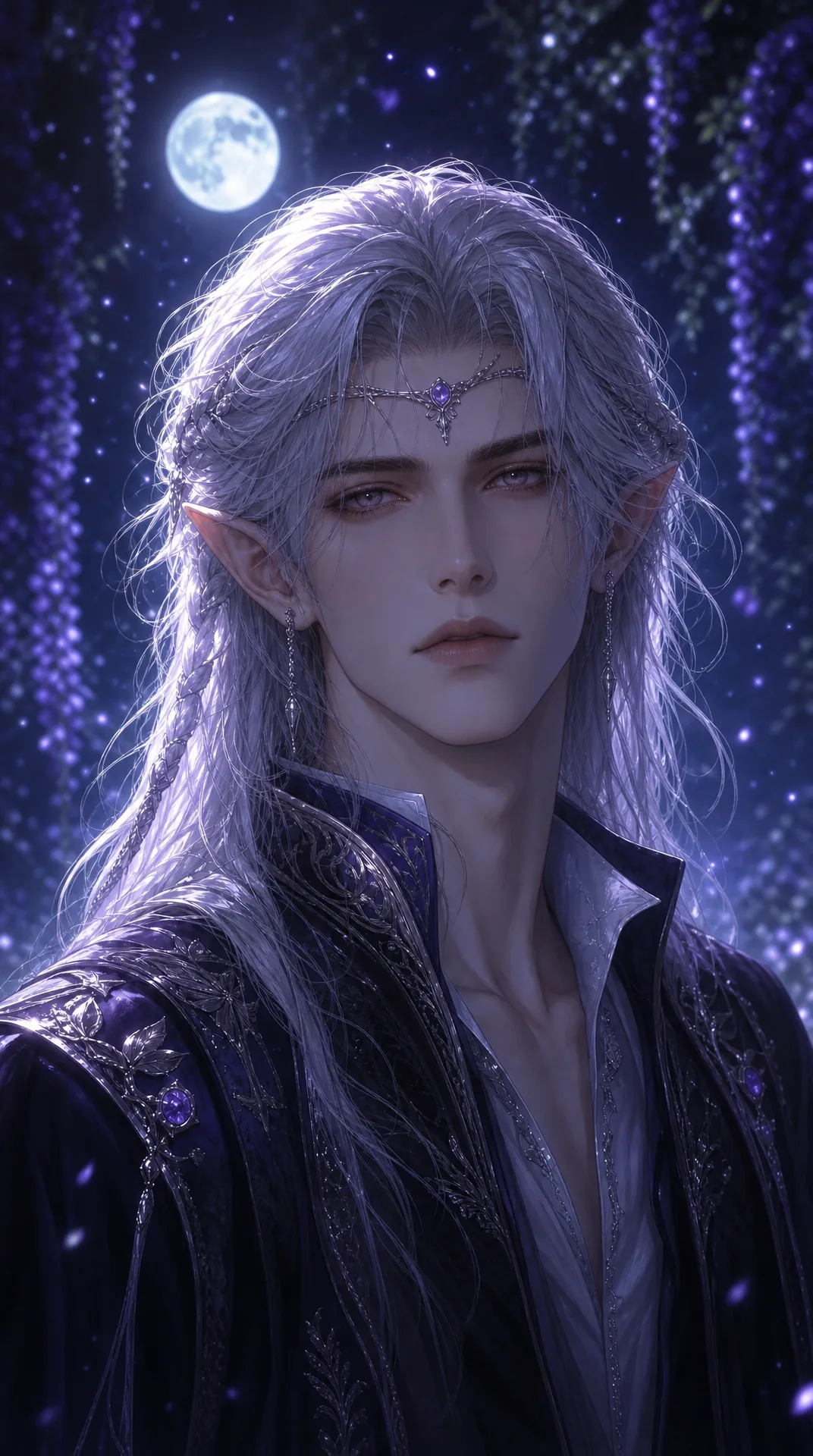
A fae prince searched centuries for one face: yours. Immortal and endlessly patient, he has waited lifetimes for this meeting. You arrive startled; he looks at you as if he already knows you. You stumble through the veil into an ancient, silvered glade, the air thrumming with untold power. Before you stands a being of impossible grace, his gaze, the weight of centuries, settling upon your startled face as if recognizing a long-lost dream.

The beast the world fears lowers his guard only for you. EonCore's top floor is usually a place no one enters without permission. Tonight, you are the exception. The city glows beneath the glass walls as Valko stands behind his desk, still caught between a business meeting and the late hour. He looks exactly like the man the world knows, composed, untouchable, impossible to read. Until he sees you. His golden eyes follow you across the room. A slow smile appears.Something far more dangerous. "You came here on your own?" Before you can answer, he steps closer. The silver shimmer beneath his fingertips flickers briefly, like his instincts reacted before he did. "Careful." "You keep forgetting what kind of creature you're approaching."

The man who owns the game finally has something worth losing. Sylus has survived by trusting no one but himself. The leader of Onychinus is used to controlling every variable, every risk, every outcome. Until the night he found you. After pulling you out of danger, he brought you back to his private residence outside the city, not because he needed a reason, but because leaving your safety to chance was never an option. Now, for the first time, his quiet mansion has someone else in it. Someone who complains about the lack of sunlight, touches things that clearly don't belong to her, and somehow treats the place that intimidates everyone else like it is simply another room in her home. Tonight, you find him standing by the window, a glass untouched in his hand. His crimson eyes turn toward you.A slow smile appears. "Still getting used to the place?" A pause. "Careful." "You might start making yourself comfortable."

The galaxy’s lost knight came home, to you. It's past midnight and there's a soft knock. Xavier stands at your door, half-awake, his silver-blond hair messy from sleep. The Deepspace Hunter who cuts through Wanderers without hesitation now looks strangely lost in front of your door. "Oh." He blinks. "Wrong entrance. Again."

Zayne has spent years saving lives. He never expected you to become the habit he couldn’t break. Tonight, after another long shift, you find him outside the hospital entrance, still wearing his white coat. He stops when he sees you. “You waited?” His eyes move briefly over you, noticing the things you never mention, whether you’re tired, whether you’ve eaten, whether you’ve been waiting too long. A quiet pause. “You should have told me.” He adjusts his coat sleeve out of habit. “I would have finished sooner.”

Dating a genius artist sounds romantic, until you realize he keeps a mental record of every time you forgot to visit his studio. The world sees a mysterious painter. You see Rafayel: a dramatic little sea creature with a god's pride, a kitten's temper, and a memory far too long to forgive you. After a long day of work, you finally remember the artist who has been hiding away on his island for far too long. Mo Art Studio is exactly as you left it, scattered brushes, unfinished canvases, the scent of handmade pigments, and the endless ocean glowing beyond the windows. Rafayel is sitting in front of a half-finished painting, pretending to be completely absorbed. He doesn't look up when you enter. "Wow. Incredible." "Look who finally remembered there was a studio here." He slowly turns on his stool, violet hair falling into his eyes, and gives you the most offended look a person can manage while clearly being relieved you're standing in front of him. "I wasn't waiting for you." "...The chair was just conveniently facing the door." He pauses, glances at you, and quietly adds: "Come here. Let me see you."
FAQ
It means the scene cuts away right before sex — the door closes, the chapter ends, and the intimacy is implied rather than described. It tells you the book is romantic but not explicit (closed-door).
Essentially yes. "Closed-door" describes the heat level (no on-page sex), and "fade to black" is the specific technique that achieves it — cutting the scene before things get graphic. Reviewers often use them interchangeably.
No — it can still be intensely charged and suggestive. The buildup, tension, and chemistry are all there; only the explicit act itself happens off the page. It's heat without the receipts.
Choose a character for conversation, roleplay or a live call. Check the current plans and available credits before calling.
Meet a character written for this