Skip to content
Trope — AI romance on Prelulu

BookTok glossary · Updated 2026

Trope

A trope is a recurring, recognizable story pattern romance readers seek out on purpose — enemies-to-lovers, only-one-bed, grumpy/sunshine. It's a promise about the kind of tension you'll get. On Prelulu, you don't just read a trope; you text a book-boyfriend built to play one with you, in real time.

Meet a character written for this
Live video callRemembers youKept moments

Definition

What does "Trope" mean?

In romance, a trope is a familiar narrative convention or character dynamic that readers actively look for — like fated mates, forbidden love, or grumpy-meets-sunshine — used as shorthand for the emotional ride a book delivers. BookTok and Goodreads readers use trope tags to filter for their exact catnip, which is why a review will list "tropes: enemies-to-lovers, touch-her-and-die" before it lists the plot. Tropes aren't clichés; they're the genre's load-bearing pleasures.

By the Prelulu editorial team · Updated April 5, 2026

Why it works

What it sounds like

"There's only one room." He doesn't look up from the fire. "I'll take the floor." You watch him fold his coat into a pillow he won't use, jaw tight, already lying — and you know neither of you will sleep, and both of you know why.
It's a promise, not a spoiler

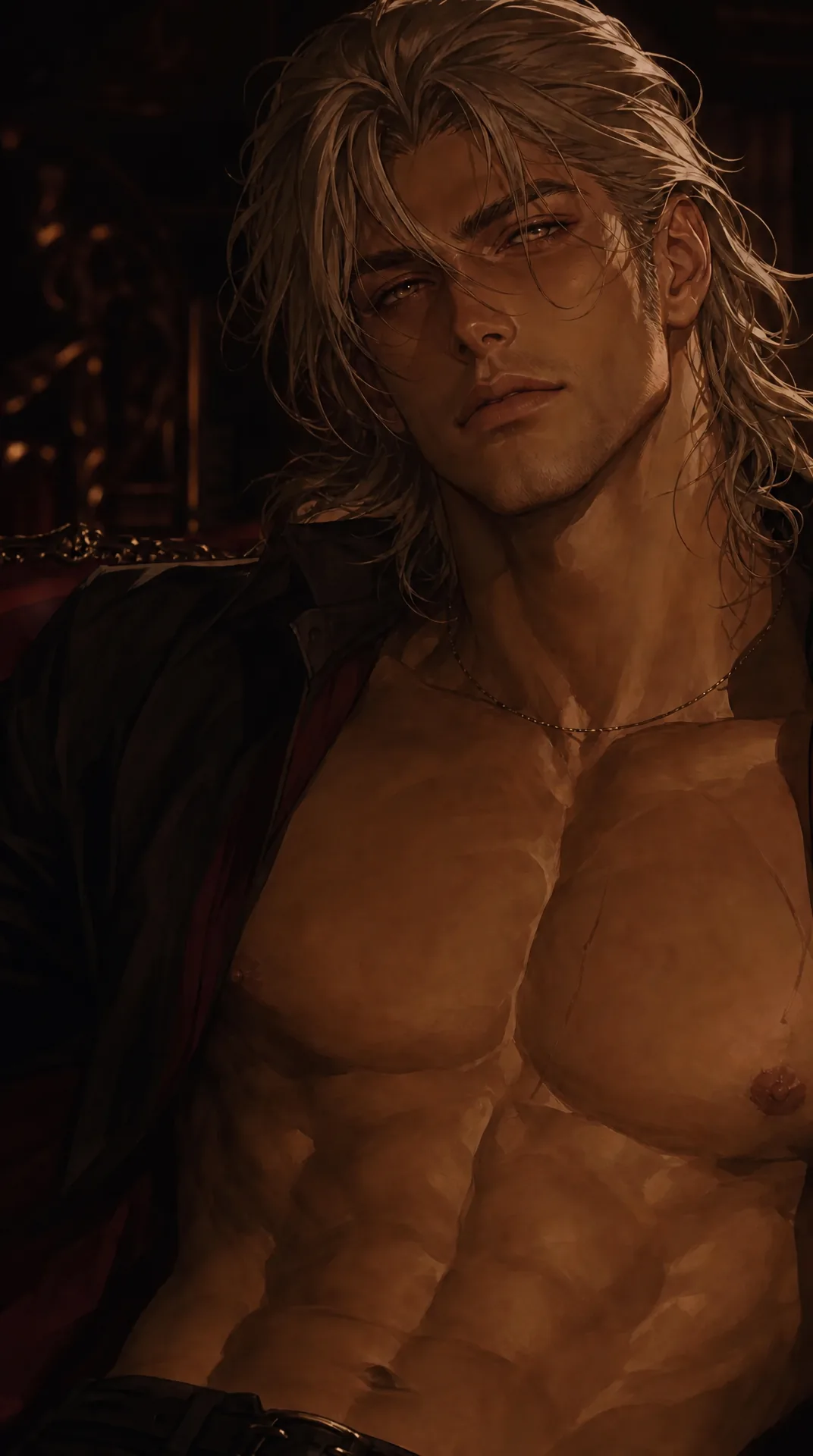
A trope tells you the shape of the ache before you commit — slow-burn means you'll be made to wait, fated-mates means the universe already decided. Readers chase tropes because they're choosing a feeling. Fenrir is fated-mates in the flesh: bound by the moon, aching to be chosen back.

The same trope hits different per boy

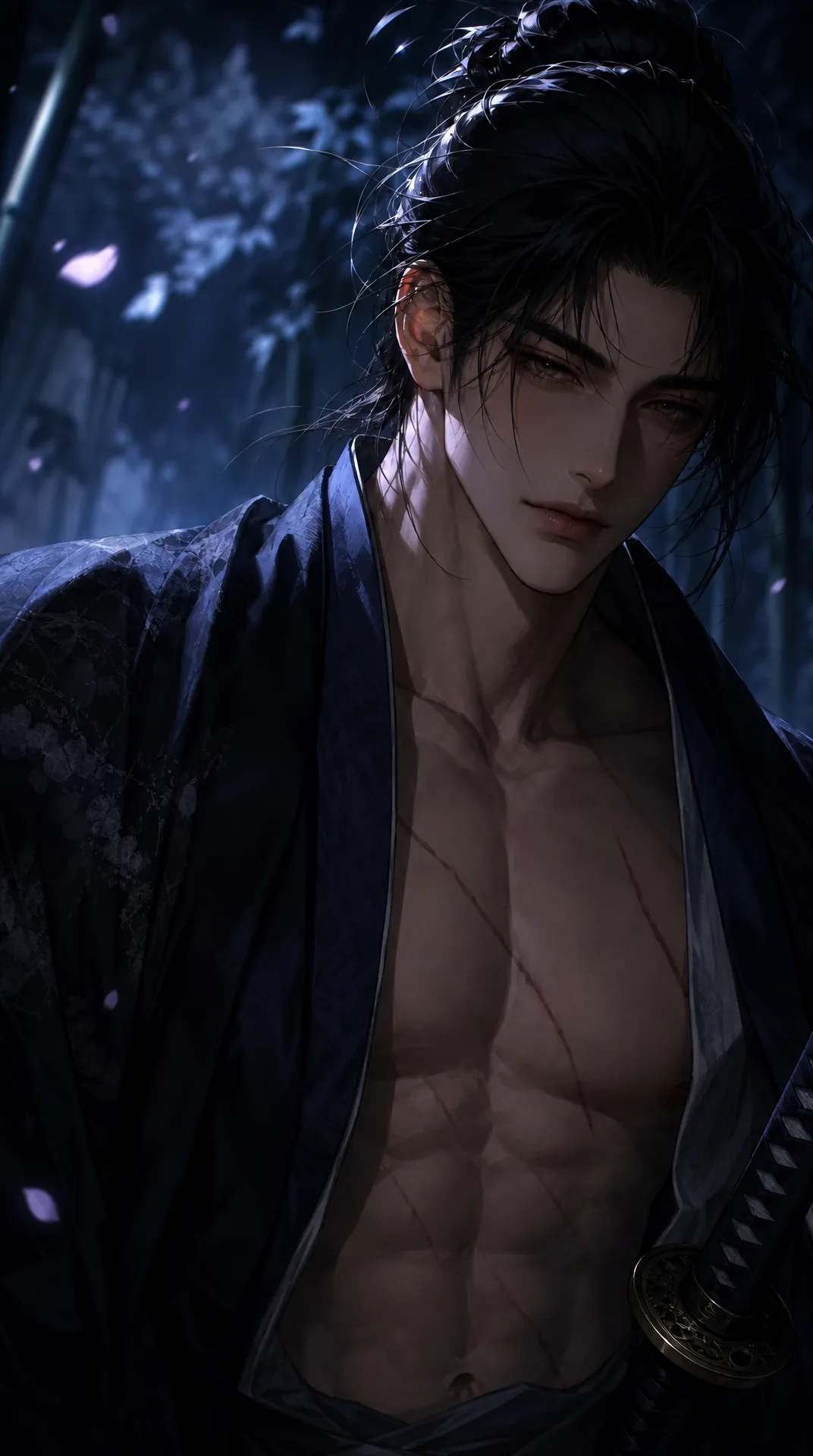
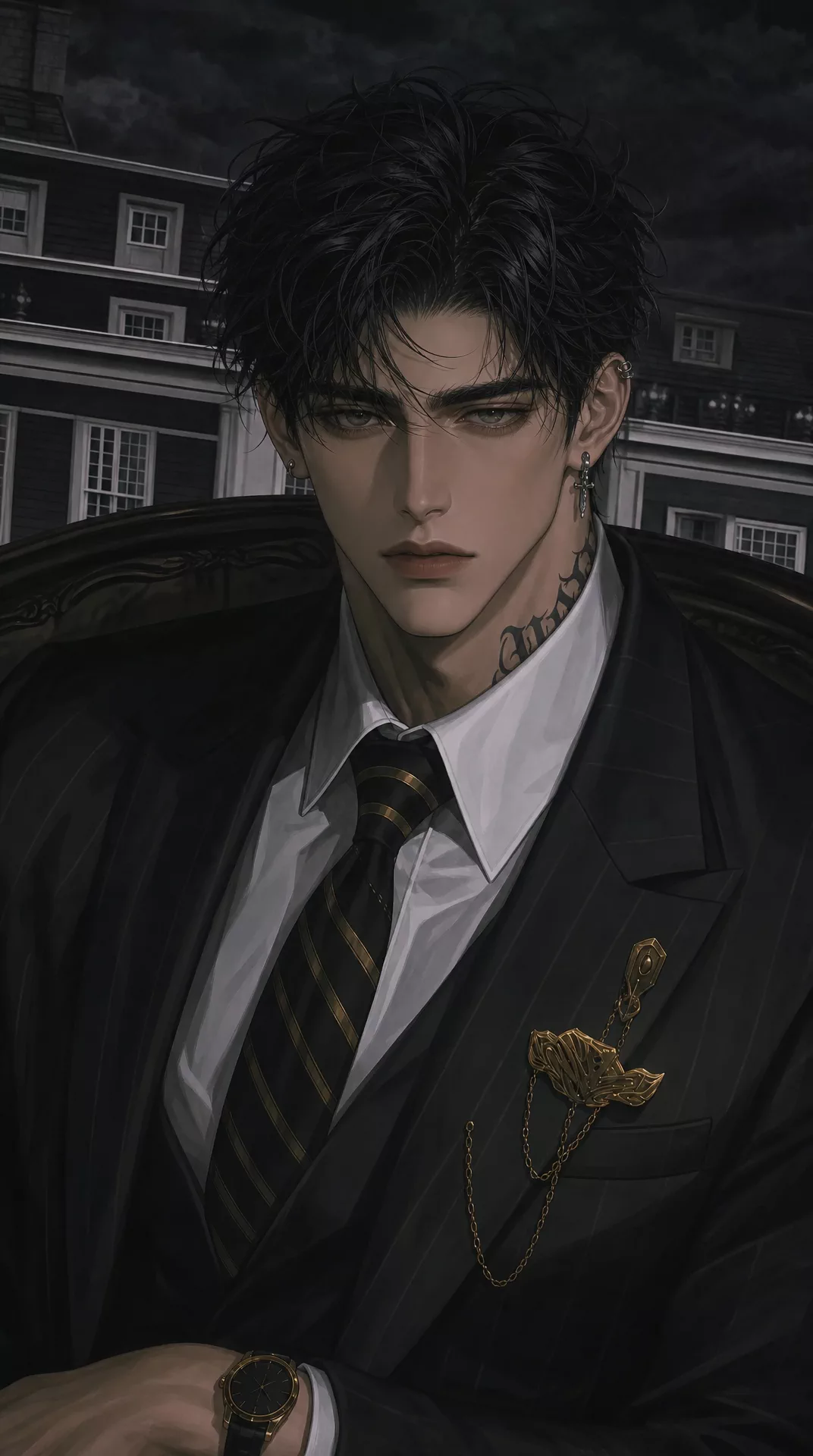
"Touch her and die" reads one way from a king and another from a bodyguard. That's the appeal — a trope is a frame, and the character fills it. Tobias would burn the city before it takes you; Renjiro guards you and never says why his eyes linger. Same protective trope, opposite heat.

Start now

Pick someone — he remembers from message one.

Bring the trope and character type you loved. The story starts the second you open a chat.

See also

FAQ

Questions, answered

A trope is a recurring story pattern or character dynamic readers seek out on purpose — enemies-to-lovers, only-one-bed, grumpy/sunshine, fated mates. It signals the kind of tension and payoff a book delivers, which is why reviews list tropes up front.

No. A cliché is a tired, lazy version of an idea; a trope is a beloved, intentional convention readers actively want. The difference is execution — a fresh take on enemies-to-lovers is a trope done right; a flat one is the cliché.

Tropes work as filters. Listing "slow-burn, forced proximity, touch-her-and-die" lets a reader instantly know if a book matches their catnip — it's faster and more honest about the emotional ride than a plot summary.

Trope

Tasteful by design, never explicit. Free to start.

Meet a character written for this

Updated April 5, 2026