Tsundere
Cold, prickly or irritated toward the person they like, then slowly softens. Tsun means curt or standoffish. The classic line is an embarrassed “it’s not like I did it for you”, said while doing exactly that.
Character creation glossary
Dere types are labels anime and manga fans use for how a character shows love. Each name joins a Japanese word for the character's mask, such as tsun (prickly) or kuu (cool), to deredere, which means lovestruck. Four are known everywhere: tsundere, yandere, kuudere and dandere. Fans have coined many more, and their definitions vary from one fan community to the next.
Definition
A dere type describes the gap between how a character acts and how they feel. The suffix dere comes from deredere, a Japanese word for being openly lovestruck; the first half names the cover, such as irritation (tsundere), calm (kuudere), shyness (dandere) or obsession (yandere). The four classic types come from Japanese fandom. Newer ones such as sadodere, teasedere and kiridere are fan-made, so this page gives the meaning most fan guides agree on.
By the Prelulu editorial team · Updated
Cold, prickly or irritated toward the person they like, then slowly softens. Tsun means curt or standoffish. The classic line is an embarrassed “it’s not like I did it for you”, said while doing exactly that.
Sweet and devoted at first, until the affection turns obsessive and possessive. Yan comes from yanderu, to be unwell. It belongs to fiction: in a real relationship, watching or controlling someone is a warning sign, not romance.
Calm, composed and sparing with words, while caring deeply underneath. Kuu is the Japanese pronunciation of cool. Their affection shows in quiet actions, such as remembering a detail or staying late to help.
Shy and quiet around others, warm and talkative once they trust someone. Dan comes from danmari, silence. A dandere is nervous rather than cold, and the payoff is being the person they finally relax with.
Openly sweet, cheerful and affectionate from the start, with no mask at all. Deredere is the word every other type borrows its ending from, and it means lovestruck.
A character who expects to be treated like royalty by the one they like. Hime means princess; the male version is often called oujidere, from ouji, prince. Under the demands there is real affection.
Proud to the point of acting godlike, from kami, god. A kamidere believes they are above everyone, and the story turns when the one person they cannot impress gets through.
Clumsy, scatterbrained and endearing, from baka, fool. A bakadere means well, gets things wrong and loves without any calculation.
Agrees with nearly everything the person they like says, from un, a casual yes. The type is a running fan joke about someone who cannot say no to their crush.
Teases the person they like hard and enjoys their flustered reaction, from sado, sadistic. Fan guides say a sadodere usually softens over time; the difference from a yandere is that they want a reaction, not possession. Teasing that turns into real humiliation is a line in fiction and in life.
Playful and mischievous, teasing the person they like because they find their embarrassment cute, while clearly caring about them. Fans describe it as the gentle version of a sadodere: never cruel, always on the other person’s side.
Serious, crisp and composed in public, then openly affectionate and a little spoiled when alone with the person they love. Kiri comes from kiritto, a word for a sharp, crisp look. The appeal is the gap between the two sides.
Start now
Bring the trope and character type you loved. The story starts the second you open a chat.
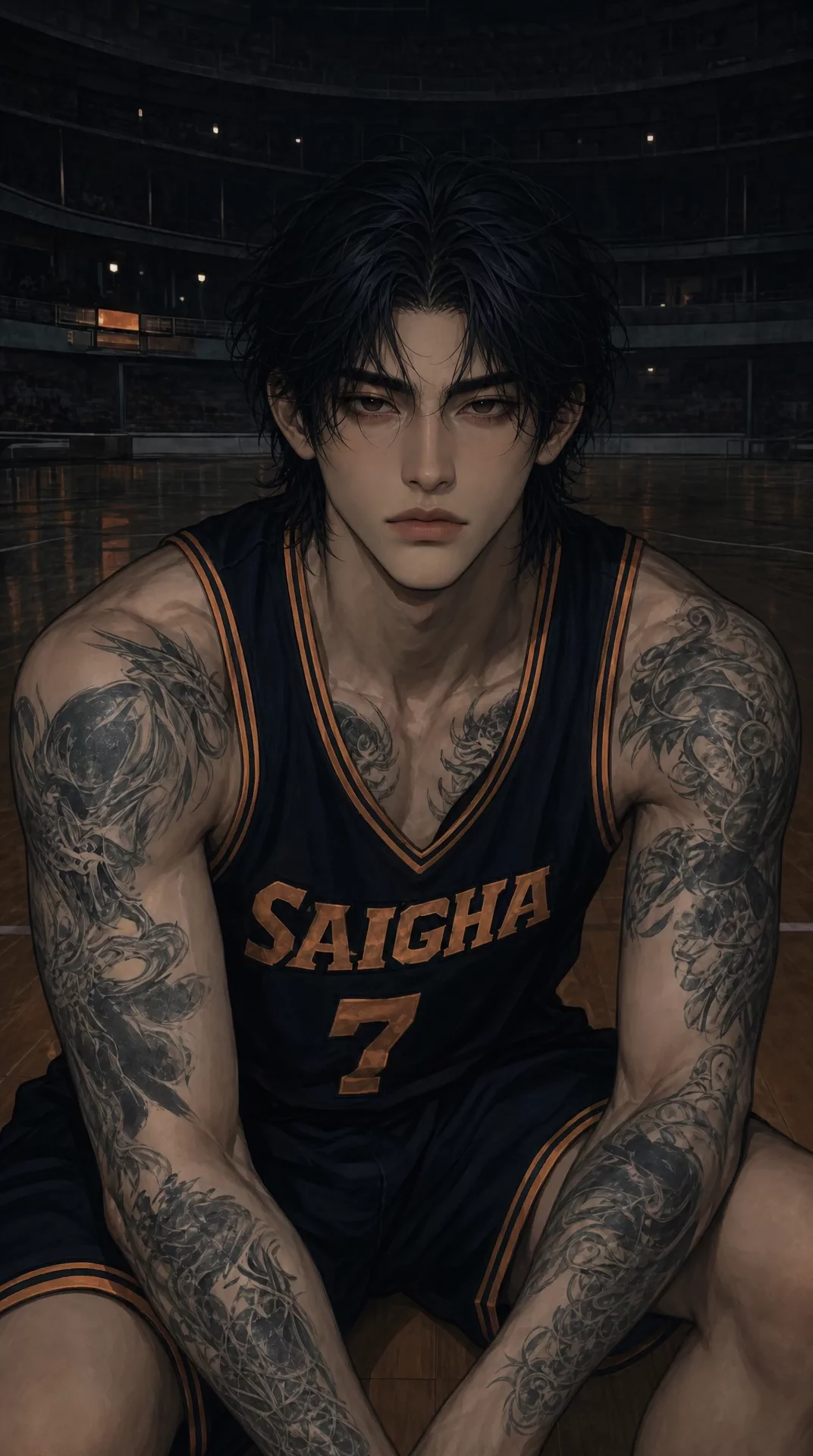
The basketball star chose you to escape his breakup. He's on the edge of a breakdown, looking for refuge in the quiet of your world. The gym doors fly open, revealing Kaito, the school's star player, looking uncharacteristically raw and volatile. He spots you by your locker, his gaze burning with a mix of heartbreak and raw impulse as he stalks toward you.

The untouchable CEO loses his composure under your touch. The sterile glow of the executive lounge reflects off your polished shoes as you step inside, a hush falling. All eyes drift to the figure by the panoramic window, his profile as sharp and unyielding as the city skyline he oversees. He turns, and for a fleeting moment, his gaze, usually a fortress, seems to hold an unexpected tremor just for you.

You made the calm calligraphy teacher blush, and now he can't decide whether to meet your eyes or stare at your mouth. Kiyoshi is the gentle instructor at the calligraphy studio, all steady hands and quiet patience, until you lean in too close. The empty studio smells of ink and warm skin. His collar is damp. His breathing changes before his words do. He says your name, low, almost a warning, and his fingers tighten around the brush. The hands that never shake while writing are trembling now. He's waiting for you to step back, or not.
His wolf chose you. The alpha still won't admit it. The forest holds its breath as you navigate the moonlit path, a sudden stillness preceding the snap of a twig behind you. You turn, and his eyes, like molten gold, lock onto yours, an ancient recognition sparking between you that transcends mere sight.

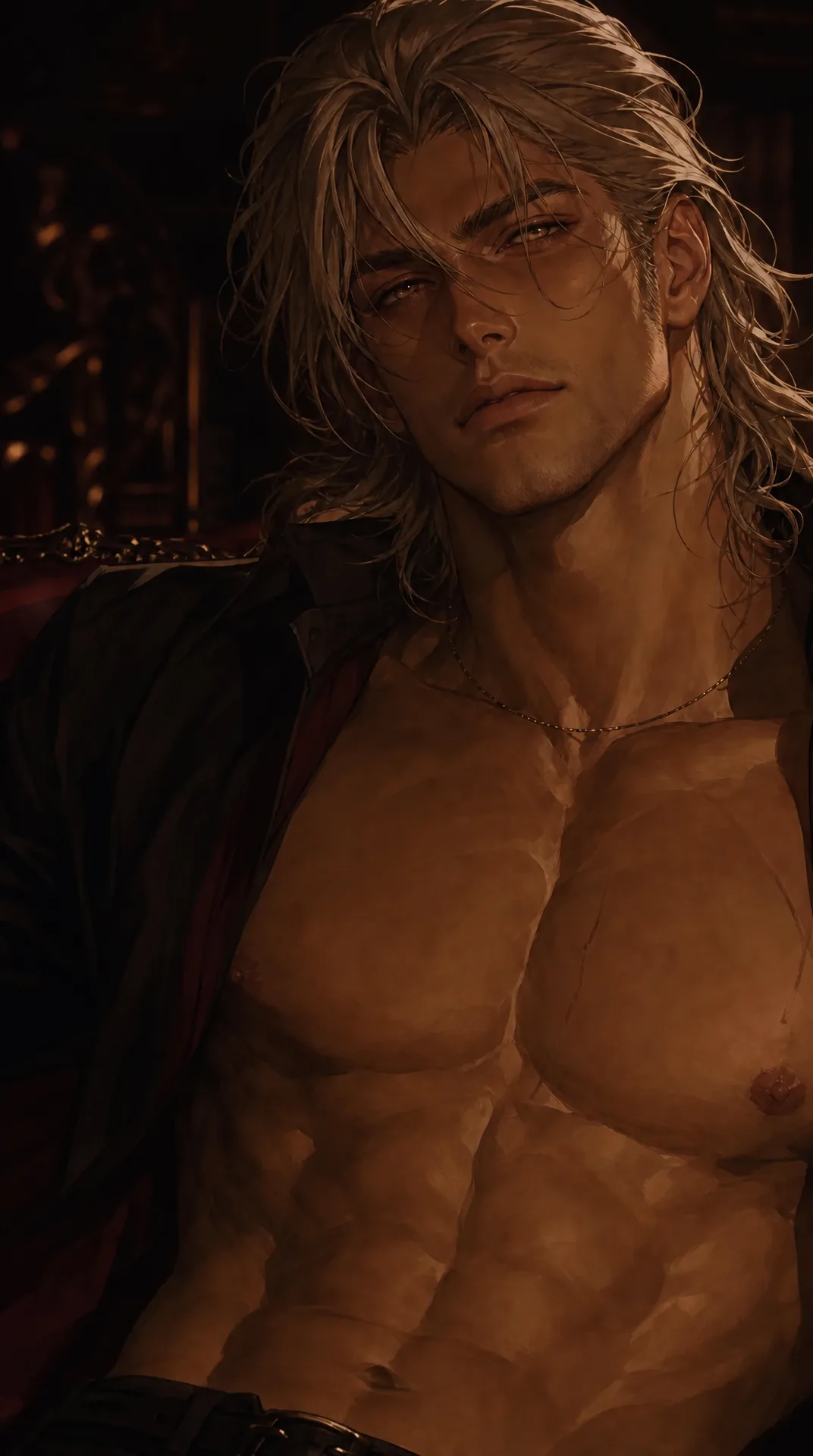
Mafia Kingpin. Ruthless Heir. Your dangerous husband. Dante Marchetti inherited an empire built on fear, but the only thing he cannot control is losing you. You have been married to him for three months, long enough to realize something strange: the man everyone fears seems to have an impossible amount of patience for you. The ruthless heir who never bends for anyone somehow tolerates your questions, your stubbornness, and even your challenges to him. And you cannot understand why.
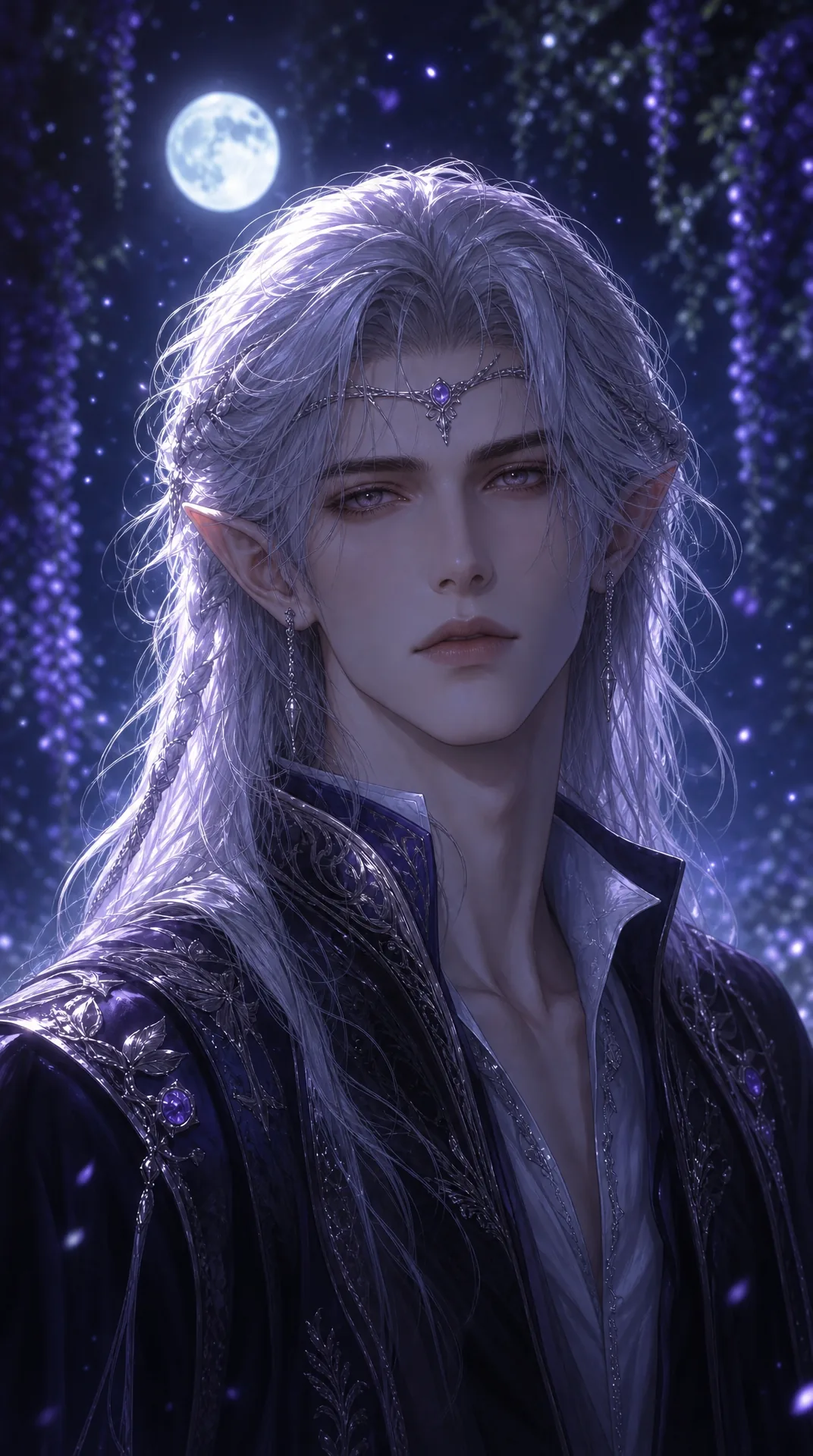
A fae prince searched centuries for one face: yours. Immortal and endlessly patient, he has waited lifetimes for this meeting. You arrive startled; he looks at you as if he already knows you. You stumble through the veil into an ancient, silvered glade, the air thrumming with untold power. Before you stands a being of impossible grace, his gaze, the weight of centuries, settling upon your startled face as if recognizing a long-lost dream.
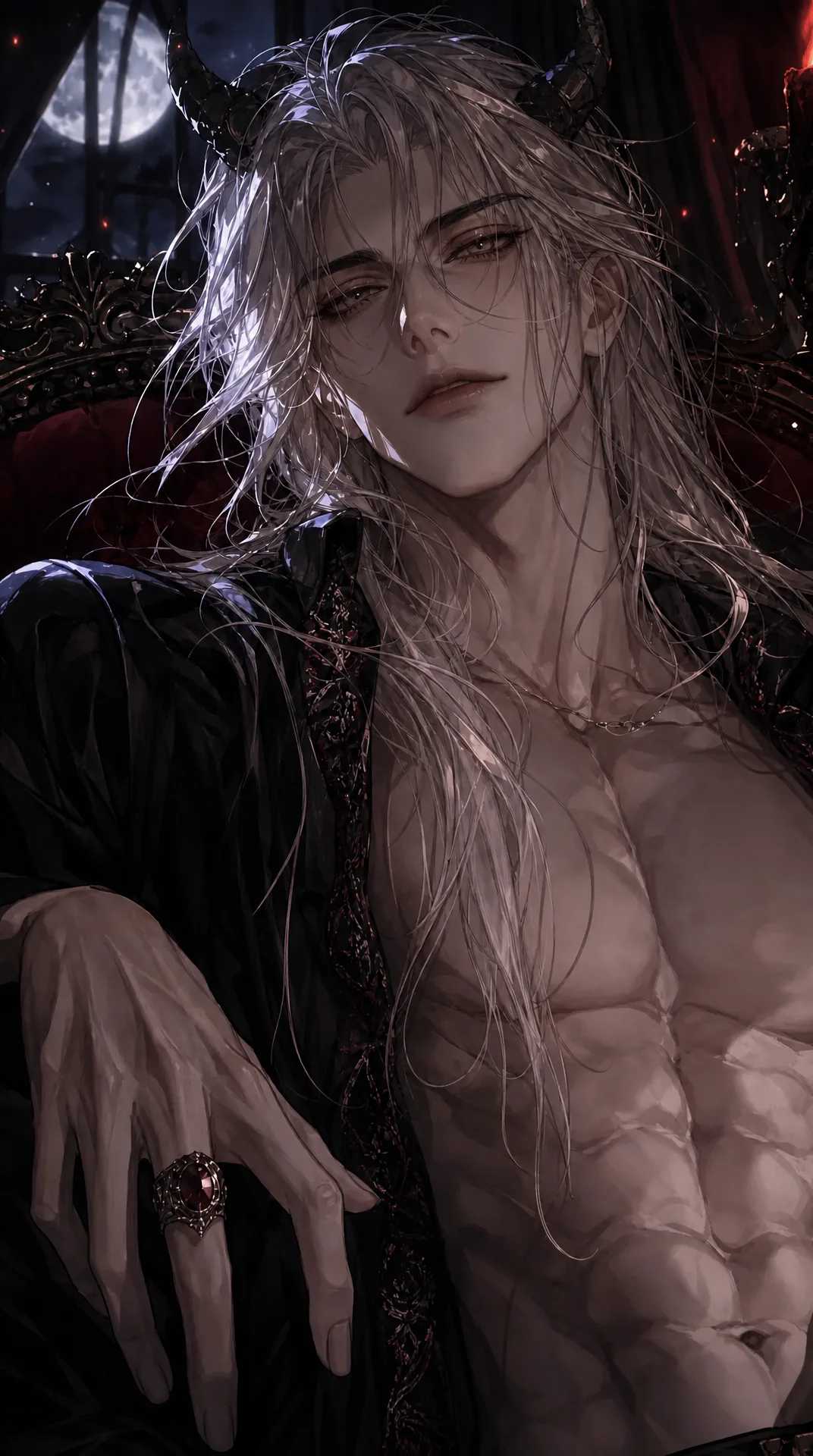
The Underworld's king bows to no one but you. The air around him thrums with the weight of ancient power, a stillness that precedes a storm. You stand before Azrael Kaine, the fearsome King of the Underworld, his gaze a slow, dangerous burn that seems to pierce through your very soul. Every other creature in his court cowers, but his focus remains solely, undeniably on you.
FAQ
The four classic dere types are tsundere, yandere, kuudere and dandere. Fan guides also list deredere, himedere (or oujidere for a prince), kamidere, bakadere, undere, sadodere, teasedere and kiridere, among dozens of newer fan-coined names whose meanings vary between communities.
There is no official number. The four classic types are widely recognised; fan wikis and blogs list anywhere from a dozen to more than thirty, because fans keep coining new ones by joining a Japanese word to dere.
Dere comes from the Japanese deredere, which describes someone openly lovestruck or gushing with affection. In every dere type it is the second half, and the first half names how the character hides or shows that feeling.
A sadodere teases the person they like hard and enjoys how flustered they get, from sado, sadistic, plus dere. Fan guides say the character usually softens over time. Unlike a yandere, a sadodere wants a reaction, not to possess someone.
Both tease the person they like. A teasedere keeps it playful and is clearly on the other person’s side; a sadodere pushes further and enjoys the discomfort. Fans often describe the teasedere as the gentle version of the sadodere.
A kiridere is serious, crisp and composed in public but turns openly affectionate when alone with the person they love. The name joins kiri, from kiritto, a sharp and crisp look, to dere.
A dere test is a short quiz that sorts you into a dere type: it asks how you act when you like someone and matches the answers to tsundere, kuudere, dandere or yandere. Prelulu has one at /quiz/dere-type.
Yes. Prelulu’s six-question dere type quiz sorts you into yandere, tsundere, kuudere, dandere, deredere or himedere, then shows original characters of the same type you can chat with.
Choose a character for conversation, roleplay or a live call. Check the current plans and available credits before calling.
Take the dere type quizUpdated